Tips for Creating a Cozy and Functional Home Office Space

Creating a home office that feels both cozy and functional can make a big difference in your daily work routine. Whether you work from home full-time or occasionally need a quiet spot to focus, a well-designed home office can boost productivity and reduce stress. In this post, we’ll explore practical tips to help you design a space that’s inviting and efficient.
Find the Right Spot
Choose a Quiet Area
Start by selecting a space in your home that’s relatively quiet and free from distractions. This might be a spare room, a corner in your living room, or even a section of your bedroom. The goal is to pick a place where you can focus without interruptions.
Consider Natural Light
If possible, position your desk near a window. Natural light can improve your mood and help reduce eye strain. However, make sure the light doesn’t create glare on your computer screen. Using blinds or curtains can help control brightness throughout the day.
Invest in Comfortable Furniture
Get an Ergonomic Chair
Since you’ll spend many hours seated, investing in a good ergonomic chair is crucial. Look for one that supports your lower back, allows you to adjust both height and recline, and has comfortable cushioning.
Choose a Suitable Desk
Select a desk that fits your space and work style. It should be large enough to hold your computer, notepads, and other essentials without feeling cluttered. Adjustable-height desks or standing desks are good options if you want to change your posture during the day.
Organize Your Workspace
Declutter Regularly
A clutter-free desk helps reduce distractions. Keep only essential items within easy reach and store away anything you don’t use frequently.
Use Storage Solutions
Incorporate shelves, drawers, or filing cabinets to keep papers and office supplies organized. Using baskets or boxes can also help maintain tidiness.
Cable Management
Tidy up cables with clips, ties, or cable organizers. This prevents tangling and creates a cleaner look.
Personalize Your Space
Add Decorative Touches
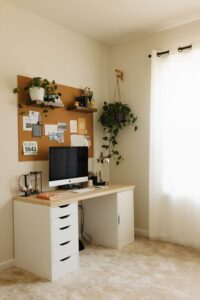
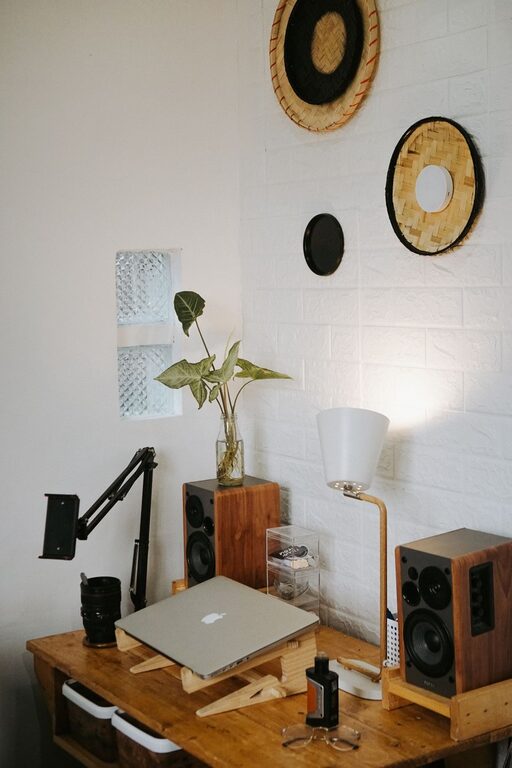
Personal items like photos, plants, or artwork can make your office feel more welcoming. Plants not only add color but also improve air quality and overall ambiance.
Choose Calming Colors
Opt for paint or decor in soothing colors such as soft blues, greens, or neutrals to create a relaxing atmosphere. Avoid overly bright or distracting colors.
Enhance Lighting
Combine Ambient and Task Lighting
Good lighting is important to avoid eye strain. Use a combination of overhead lighting and a desk lamp to ensure your workspace is well-lit.
Consider Adjustable Lighting
A desk lamp with adjustable brightness or color temperature allows you to customize light based on your needs and the time of day.
Manage Noise and Distractions
Use Noise-Canceling Tools
If you can’t avoid noisy environments, consider noise-canceling headphones or white noise machines to help improve concentration.
Set Boundaries
If you share your home, establish clear boundaries with family or roommates about your work hours to minimize interruptions.
Create a Routine-Friendly Environment
Keep Essentials Handy
Arrange your most-used items, like pens, notebooks, or chargers, close to your desk so you don’t waste time searching.
Incorporate Break Spaces
If possible, design a small area to step away from your desk for short breaks. This can help with focus and prevent burnout.
Maintain Your Space
Regular Cleaning
Keep your home office clean by wiping surfaces and vacuuming regularly. A tidy space supports a clear mind.
Update as Needed
Periodically reassess your setup to make sure it still meets your needs. Adjust lighting, furniture, or organization strategies as your work habits evolve.
—
Designing a cozy and functional home office doesn’t have to be complicated or expensive. By focusing on comfort, organization, and personalization, you can create a workspace that inspires productivity and makes working from home a pleasure. Start small, make gradual improvements, and enjoy the benefits of your tailored home office.